Uncategorized

JSA statement on 20th July March to Parliament demanding resignation of the Union EducationMinister and accountability in NEET and other examinations

Historic mobilization by young people! Brutal police action! Support the continuedmovement! 20th July 2026 will be remembered in India, especially by all those engaged in the struggle for a fair and humane education system — a system where no student dies by suicide because the state failed to conduct exams without paper leaks, nor does a nine-year-old jump to her death because of bullying in the classroom. On this day, we witnessed a historic rally of students and youth from not only Delhi NCR, but from all over the country. Family members of some NEET aspirants who had taken their lives also joined. Their clear demand: the resignation of the Union Education Minister over the dysfunctional, commercialized, and corrupt education system, and a change in this entire regime that has failed to provide good, affordable education and employment to the youth of this country over the past decade. The Cockroach Janata Party (CJP) and several student organizations of India, including AISA, SFI, AISF, had given a Call for a March to Parliament on 20th July, the day its monsoon session was to begin. This call came after over a month of sit-in protest since 6th June at Jantar Mantar, Delhi, which included a 22-day indefinite hunger strike by social activist Sonam Wangchuk and more than six university students. Rallies and sit-ins also took place across many other cities, drawing large numbers of youth. JSA salutes the tenacity and courage of all those who were on hunger strike for over 20 days; and also, that of the people during the march, particularly their non-violent posture and bravery in the face of the dastardly police violence unleashed to silence them. It is heartening to see that within a day these protestors are back on their feet at the very same Jantar Mantar from where they were thrown out. JSA has expressed its solidarity with the ongoing movement and has released a statement detailing the serious distortions in medical education and the NEET process, and urgent steps required to reform this system to make it responsive and equitable. Some of the issues raised at this protest overlapped with the concerns that have been raised by JSA for a long time, such as the privatization of medical education, the conduct of entrance examinations, and harassment of health workers and MBBS students. Several JSA members and constituent organizations of JSA participated in the 20th July March to Parliament. Unfortunately, at the protest venue we were unable to group together as a team, since the government had deployed signal jammers to disrupt internet access and phone calls, preventing communication over about a 2-km radius. The extremely large congregation and the many barricades placed all around the protest site also created major barriers to movement. Reaching the protest avenue was also disrupted by the closure of all the nearest metro stations. Despite such repressive measures, tens of thousands of young people kept pouring in, carrying placards with creative slogans, conveying their constitutional rights to protest and to better education, and highlighting the failures of the present government. Large-scale mobilization, both done by organizations and catalyzed through social media, culminated in a set of massive marches towards Parliament. However, in the afternoon, the police took to brutally attacking these peaceful marchers at multiple locations, including the Jantar Mantar site. This violence by the police continued until late evening. Many people were lathi-charged, including those who had fallen while being chased by the police. Many tear gas shells were also fired. Our sources have confirmed that a significant number of protesters were admitted to emergency wards, with some in the ICU. In Ram Manohar Lohia Hospital alone, at least 65 persons were treated for serious injuries, 15 were admitted, and a few remain critical.   Another very disturbing fact is that the police also beat up several doctors and healthcare workers who were attending to injured protestors. This is a brazen violation of the Geneva Conventions that protect healthcare workers, as well as those who are sick and wounded. By attacking healthcare workers, the police also denied the injured their right to emergency care. Yet another grave concern is that many of the activists facing this police brutality mentioned that several persons beating them up were not in uniform and had no official police badges. Yet, unarmed young people expressing their constitutional rights were ruthlessly attacked with impunity by these plainclothes men, who must have been provided protection from the highest levels. There are also reports of injuries by pellet guns, and electrification of barricades which led to people suffering electric shocks. We are deeply concerned that, for several months, the government has refused to engage in any communication with the youth about their rightful demands. Instead of abiding by democratic norms of dialogue and taking responsibility for its failures, the government has only resorted to completely undemocratic behavior, by first compelling Sonam Wangchuk and many others to sit on hunger strike, and now escalating its repressive response by resorting to such brutal attacks on the youth, on the streets of the capital city of our country. JSA condemns in the strongest possible terms this police brutality on thousands of peaceful and defenseless students and young people, as well as many healthcare workers. We demand urgent action against those who were involved in this barbaric attack, as well as responsibility from all the concerned superiors in commanding positions, along with accountability in NEET and other examinations. At this historic juncture, we call upon all health activists and democratic organizations to join hands with the emerging youth and social movements. We need to rise together against the oppressive systems and policies which the young people of India are challenging, and work for alternative governance which the people of this country need and deserve.

JSA statement on 20th July March to Parliament demanding resignation of the Union EducationMinister and accountability in NEET and other examinations Read More »

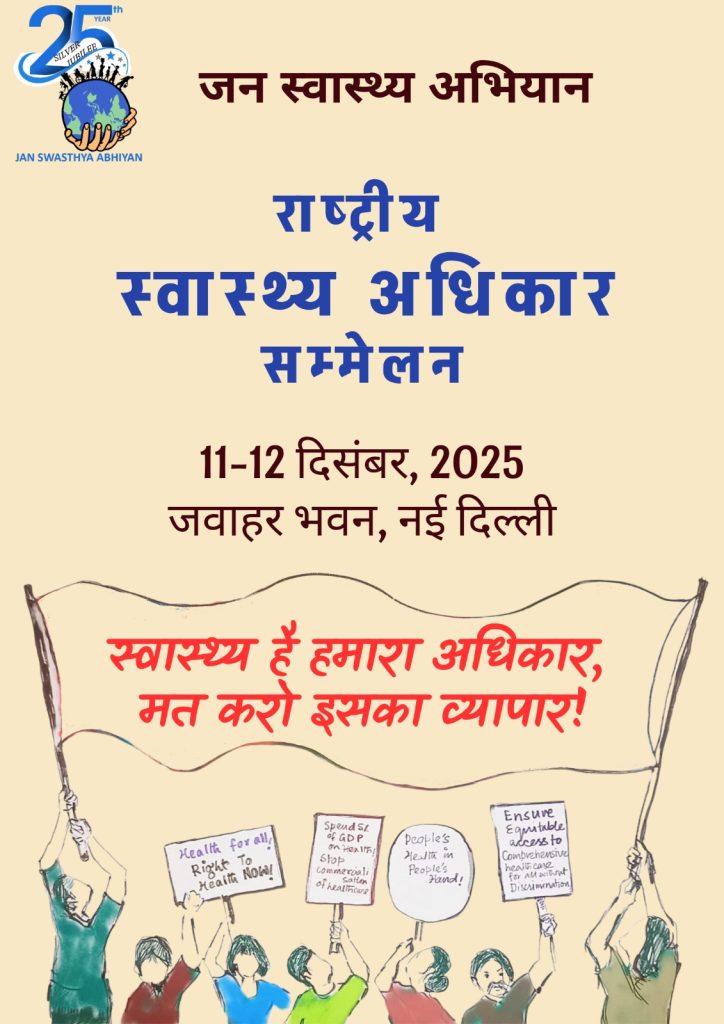
जन संकल्प – राष्ट्रीय स्वास्थ्य अधिकार सम्मेलन

जन संकल्प हम भारत के अलग–अलग हिस्सों से आये हुए लोग, जो 11 और 12 दिसंबर, 2025 को जन स्वास्थ्य अभियान के राष्ट्रीय सम्मेलन में देश एकत्र हुए हैं, निम्नलिखित बातों पर सहमत हैं और स्पष्ट तौर पर रखना चाहते हैं : सबके लिए स्वास्थ्य की ओर, हमारे बढ़ते कदम! एक स्वस्थ और लोकतांत्रिक भारत की ओर, जहां भेदभाव और सामाजिक विभाजन न हों, और कोई वंचित न रहे ! स्वास्थ्य हमारा अधिकार – मत करो इसका व्यापार !

जन संकल्प – राष्ट्रीय स्वास्थ्य अधिकार सम्मेलन Read More »

स्वास्थ्य अधिकारों पर राष्ट्रीय सम्मेलन: आज एक साथ आना क्यों ज़रूरी है?

आज हमारे देश में सत्ताधारी और कॉर्पोरेट कंपनियों की चांदी है, पर आम जनता के लिए समय कठिन होता जा रहा है। सार्वजनिक स्वास्थ्य (Public Health) के लिए यह मुश्किल दौर है। ऐसे समय में, जन स्वास्थ्य अभियान (JSA) द्वारा आयोजित ‘स्वास्थ्य अधिकारों पर राष्ट्रीय सम्मेलन’ (11–12 दिसंबर 2025, नई दिल्ली) उम्मीद की एक किरण है। यह केवल एक बैठक नहीं है, बल्कि यह एकजुटता, प्रतिरोध और सामूहिक उम्मीद का एक प्रतीक है।

स्वास्थ्य अधिकारों पर राष्ट्रीय सम्मेलन: आज एक साथ आना क्यों ज़रूरी है? Read More »

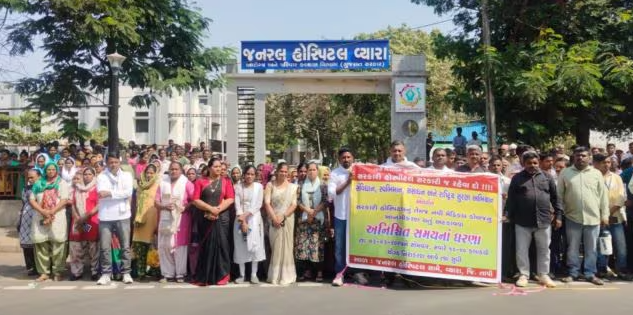
व्यारा अस्पताल का संघर्ष: गुजरात के आदिवासी खड़े हैं निजीकरण के खिलाफ

दक्षिण गुजरात के आदिवासी बहुल जिले तापी के व्यारा कस्बे में, आज एक अलग तरह की लड़ाई लड़ी जा रही है। व्यारा ज़िला अस्पताल को निजी हाथों में सौंप कर मेडिकल कॉलेज चलाने के प्रस्ताव ने इस जिले की जनता को झकझोर कर रख दिया है। यह सिर्फ़ एक फैसले का विरोध नहीं है, बल्कि उस निति का विरोध है जो सार्वजनिक स्वास्थ्य पर नहीं, बल्कि मुनाफ़े पर आधारित है। इसके पीछे यह विश्वास है कि हर किसी को सस्ता और अच्छा इलाज अधिकार के तौर पर मिलना चाहिए। यह संघर्ष सिर्फ एक अस्पताल की कहानी नहीं है, बल्कि यह सवाल उठा रहा है कि आखिर हमारी स्वास्थ्य व्यवस्था है किसके लिए– जनता के लिए या प्राइवेट कम्पनियों के लिए ?

व्यारा अस्पताल का संघर्ष: गुजरात के आदिवासी खड़े हैं निजीकरण के खिलाफ Read More »

The Struggle for Vyara Hospital: Gujarat’s Tribal Communities Stand Against Privatization

In Vyara, a town in the tribal-dominated district of Tapi in South Gujarat, a unique struggle is being fought today. The proposal to hand over the Vyara District Hospital to private hands to run a medical college has shaken the people of the district. Their opposition is not just to a single decision, but is a protest against a policy based on profit rather than public health. It is driven by the belief that everyone should have the right to affordable and good treatment. This struggle is not just about one hospital—it raises a deeper question: who is our health system really for? The people, or private corporations?

The Struggle for Vyara Hospital: Gujarat’s Tribal Communities Stand Against Privatization Read More »

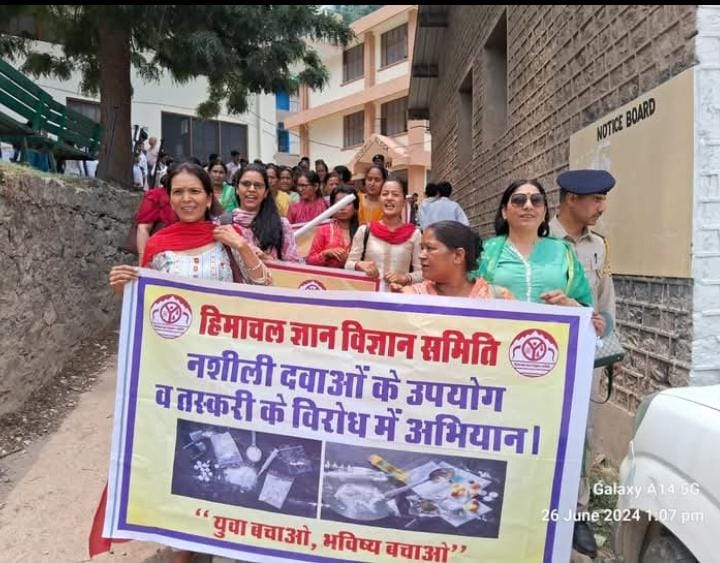
हिमाचल प्रदेश – युवाओं में बढ़ते नशे के खतरे के खिलाफ लोग हुए एकजुट

नशीले पदार्थों तथा नशीली दवाओं के दुरुपयोग से तात्पर्य उन पदार्थों के अवैध उपयोग से है, जिनमें नशे की लत लगने की अधिक संभावना होती है. इनका प्रयोग इसके बावजूद किया जाता है की उनके हानिकारक शारीरिक और मनोवैज्ञानिक प्रभावों के बारे में जानकारी होती है। आमतौर पर दुरुपयोग की जाने वाली दवाओं में कोकेन, हेरोइन, एमडीएमए (मॉली) और सिंथेटिक पदार्थ शामिल हैं। नशीली दवाओं के दुरुपयोग के मूल कारण अक्सर साथियों का दबाव, जिज्ञासा, अनसुलझे पारिवारिक तनाव, संवादहीनता, चिंता, करियर संबंधी दबाव, और माता-पिता की अवास्तविक अपेक्षाएँ होती हैं। ये कारक संवेदनशील व्यक्तियों, विशेषकर युवाओं को मादक पदार्थों के सेवन और उसके बाद लत की ओर धकेल सकते हैं।

हिमाचल प्रदेश – युवाओं में बढ़ते नशे के खतरे के खिलाफ लोग हुए एकजुट Read More »

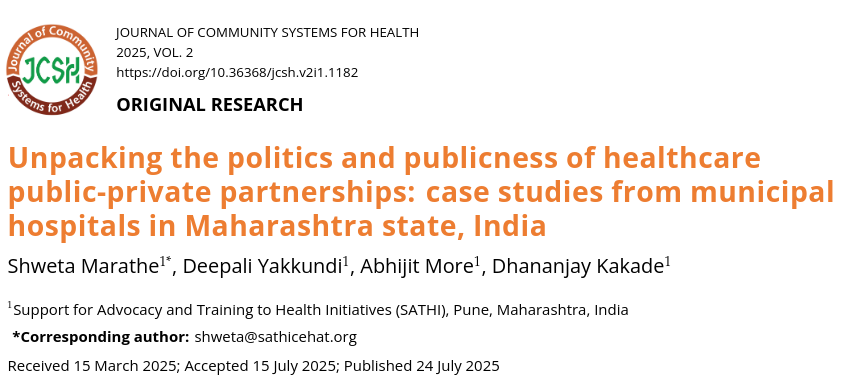
ಮಹಾರಾಷ್ಟ್ರದ ಪಿಪಿಪಿ ಕಥೆಗಳೋ ಅಥಾವ ವ್ಯಥೆಗಳೋ……

ಕಳೆದ ಹಲವಾರು ವರ್ಷಗಳಿಂದ ಕಳೆದ ಎರಡು ದಶಕಗಳಿಂದ, ಸಾರ್ವಜನಿಕ-ಖಾಸಗಿ ಭಾಗೀದಾರಿಕೆಗಳು (PPPಗಳು) ಸಾರ್ವಜನಿಕ ಆರೋಗ್ಯ ಸೇವೆಗಳನ್ನು ಸುಧಾರಿಸಲು ಖಾಸಗಿ ವಲಯದ ಸಂಪನ್ಮೂಲ ಮತ್ತು ಪರಿಣಾಮಕಾರಿತ್ವವನ್ನು ಬಳಸಿಕೊಳ್ಳುವ ಚಿಂತನೆಗಳು ರೂಢಿಯಲ್ಲಿದೆ. ನಗರದ ಮಟ್ಟದಲ್ಲಿ ಈ ರೀತಿಯ PPP ಯೋಜನೆಗಳನ್ನು ಘೋಷಿಸುವುದು ಸಾಮಾನ್ಯವಾಗಿದೆ, ಆದರೆ ಮಹಾನಗರ ಪಾಲಿಕೆ ಮಟ್ಟದಲ್ಲಿ ಈ ಭಾಗೀದಾರಿಕೆಗಳು ಹೇಗೆ ಕಾರ್ಯನಿರ್ವಹಿಸುತ್ತವೆ ಎಂಬುದರ ಬಗ್ಗೆ ಹೆಚ್ಚಿನ ಮಾಹಿತಿಯಿಲ್ಲ. ನಿರ್ಧಾರಗಳನ್ನು ಹೇಗೆ ತೆಗೆದುಕೊಳ್ಳಲಾಗುತ್ತದೆ? ಮುಖ್ಯ ಪಾತ್ರಧಾರಿಗಳು ಯಾರು? ಜವಬ್ದಾರಿ ಯಾರೂ, ಹೊಣೆಗಾರಿಕೆ ಯಾರದ್ದೂ ಎನೂ ಕೂಡ ಸ್ಪಷ್ಟವಾಗಿಲ್ಲ…. ಸಾಥಿ ಸಂಸ್ಥೆಯು 2023–24 ರಲ್ಲಿ ಮಹಾರಾಷ್ಟ್ರದ ಎರಡು ಪ್ರಮುಖ ನಗರಗಳಲ್ಲಿ ದ್ವಿತೀಯ ಮತ್ತು ತೃತೀಯ ಮಟ್ಟದ ಸಾರ್ವಜನಿಕ ಆಸ್ಪತ್ರೆಗಳಲ್ಲಿ ಚಿಕಿತ್ಸಾ ಮತ್ತ ಸೇವೆಗಳಿಗೆ ಸಂಬಂಧಿಸಿದ ಸಾರ್ವಜನಿಕ-ಖಾಸಗಿ ಭಾಗೀದಾರಿಕೆಗಳನ್ನು ಅಧ್ಯಯನ ಮಾಡಿತು. ಈ ಅಧ್ಯಯನದಲ್ಲಿ 25 ಆಳವಾದ ಸಂದರ್ಶನಗಳು, ಆಸ್ಪತ್ರೆಗಳ ನಕ್ಷೆ ಬರೆಯುವುದು, ಕೆಲವು ಮಹಾನಗರ ಪಾಲಿಕೆ ಮಟ್ಟದ ಮಾಹಿತಿಗಳು ಮತ್ತು ತಾಂತ್ರಿಕ ದಾಖಲೆ ವಿಮರ್ಶೆಗಳ ಜೊತೆಗೆ ತಾರ್ಕಿಕ ನಿಲುವುಗಳನ್ನು ಸಹಾ ಒಳಗೊಂಡಿದೆ. ಈ ಅಧ್ಯಯನಕ್ಕೆ ಐದು ಕಥೆಗಳನ್ನ ಉದಾಹರಣೆಯೊಂದಿಗೆ ನಿಮ್ಮೊಂದಿಗೆ ಹಂಚಿಕೊಳ್ಳುತ್ತಿದ್ದೀವಿ. PPP ಎಲ್ಲಿ ವೈಫಲ್ಯಗೊಳ್ಳುತ್ತವೆ ಮತ್ತು ಸಾರ್ವಜನಿಕ ಆರೋಗ್ಯ ಸೇವೆಗಳ ಮೇಲೆ ಅವುಗಳ ಪರಿಣಾಮಗಳ ಕುರಿತು ಅರ್ಥವಾಗುತ್ತದೆ. ಘಟನೆ ೧: ಐಸಿಯು ಸೇವೆಗಳ ಹೆಸರಿನಲ್ಲಿ ಸಾರ್ವಜನಿಕ ಹಣದ ನಾಶ! 2011-12ರಲ್ಲಿ, ಒಂದು ಮಹಾನಗರ ಪಾಲಿಕೆ ತೃತೀಯ ದರ್ಜೆ ಆಸ್ಪತ್ರೆಯ ಐಸಿಯು ಸ್ಥಾಪನೆಗೆ ₹55 ಲಕ್ಷ ವೆಚ್ಚಮಾಡಿತು. ಆದರೆ, ಐಸಿಯು ಒಂದು ದಶಕಕ್ಕೂ ಹೆಚ್ಚು ಕಾಲ ಕಾರ್ಯನಿರತವಾಗಲೇ ಇಲ್ಲ. ನಂತರ ಖಾಸಗಿ ಸಂಸ್ಥೆಗೆ 30 ವರ್ಷಗಳ PPP ಅಡಿಯಲ್ಲಿ ನೀಡಲಾಯಿತು—ಆ ಸಂಸ್ಥೆಗೆ ಆರೋಗ್ಯ ಕ್ಷೇತ್ರದಲ್ಲಿ ಯಾವುದೇ ಅನುಭವವಿಲ್ಲ. ಸಾರ್ವಜನಿಕ ಹಣದ ಬಲದಿಂದ ಹೊಸ ಯಂತ್ರೋಪಕರಣಗಳು, ಉಚಿತ ಕಟ್ಟಡ, ವಿದ್ಯುತ್, ನೀರು—ಎಲ್ಲವನ್ನೂ ನೀಡಲಾಯಿತು. ಆದರೆ ಜನರಿಗೆ ಸೇವೆಗಳು ಮಾತ್ರ ಲಭಿಸಲಿಲ್ಲ. ದುಬಾರಿ ಶುಲ್ಕ, ಗುತ್ತಿಗೆ ಆಧಾರದಲ್ಲಿ ವೈದ್ಯರು, ಮತ್ತು ರೆ‌ಫರಲ್ ಗಳು ಅರ್ಥಹೀನವಾಯಿತು. ಇದೊಂದು ಸಾರ್ವಜನಿಕ ಸಂಪತ್ತು ಖಾಸಗಿ ಹಿತಾಸಕ್ತಿಗಾಗಿ ಮಾರಿದ ಉದಾಹರಣೆಯಾಗಿದೆ. ರೋಗಿಗಳಿಗೆ ₹40,000 ಕ್ಕಿಂತ ಹೆಚ್ಚು ಠೇವಣಿ ಮತ್ತು ದಿನಕ್ಕೆ ₹4,000–₹5,000 ಕೊಡುವಂತೆ ಆಗುತ್ತಿತ್ತು. ನಂತರ ಆಸ್ಪತ್ರೆ ಆವರಣದಲ್ಲಿಯೇ ಕನಿಷ್ಠ ದರದ ಔಷಧಿಗಳನ್ನು ನೀಡುವ ಜನೌಷಧಿ ಕೇಂದ್ರವಿದ್ದರೂ ಸಹ, ಹಲವು ರೋಗಿಗಳನ್ನು ಐಸಿಯು ಫಾರ್ಮಸಿಯಿಂದ MRP ದರದಲ್ಲಿ ಔಷಧಿಗಳನ್ನು ಖರೀದಿಸಲು ಒತ್ತಡ ಹೇರುವಂತಾಗಿತ್ತು. ಆರೋಗ್ಯ ಸೇವೆಗಳನ್ನ ಬಲಪಡಿಸಲು, ಸುಧಾರಿಸುವ ಉದ್ದೇಶವಿದ್ದ ಈ ಪಿಪಿಪಿಯು, ತಿಂಗಳಿಗೆ ಸರಾಸರಿ ಕೇವಲ 40 ರೋಗಿಗಳನ್ನು ಮಾತ್ರ ದಾಖಲು ಮಾಡಿತು. ಬಹುತೇಕ ಗಂಭೀರ ಪ್ರಕರಣಗಳನ್ನು ಸಮರ್ಪಕ ಸಿಬ್ಬಂದಿಯ ಕೊರತೆಯಿಂದ ನಗರದ ದೊಡ್ಡ ಸರ್ಕಾರಿ ಆಸ್ಪತ್ರೆಗೆ ರೆಫರ್ ಮಾಡಲಾಗುತ್ತಿತ್ತು — ಇದು ಈ PPPಯ ಮೂಲ ಉದ್ದೇಶವನ್ನೇ ವಿಫಲಗೊಳಿಸಿತು. ಘಟನೆ ೨: 50 ಕೋಟಿ ರೂ. ಮೌಲ್ಯದ ಆಸ್ಪತ್ರೆಗೆ ಜೀವವಿಲ್ಲ! 2022ರಲ್ಲಿ ₹50 ಕೋಟಿ ವೆಚ್ಚದ ಹೊಸ ಹಲಮಂಜಿಲಿ ಆಸ್ಪತ್ರೆಯನ್ನು ಖಾಸಗಿ ಟ್ರಸ್ಟ್‌ಗೆ ನೀಡಲಾಯಿತು. ಆದರೆ ಇದು ಎರಡು ಬಾರಿ ಉದ್ಘಾಟನೆಗೊಂಡರೂ ಕೂಡ, ಸೇವೆಗಳು ಪ್ರಾರಂಭವಾಗಲೇ ಇಲ್ಲ. ಸುಮಾರು 25,000 ಚದರ ಅಡಿಗಳ ಈ ಆಸ್ಪತ್ರೆಯು ಬಾಡಿಗೆ ಇಲ್ಲದೇ ನೀಡಲಾಯಿತು, ಜೊತೆಗೆ ಉಚಿತ ವಿದ್ಯುತ್ ಮತ್ತು ನೀರು, ತೆರಿಗೆ ವಿನಾಯಿತಿಗಳು ಹಾಗೂ ಹೆಚ್ಚಿನ ಉಪಕರಣಗಳೂ ಒದಗಿಸಲಾಯಿತು ಆದರೂ ಪ್ರಾರಂಭಮಾಡದೇ ಅದಕ್ಕೆ ಅವಶ್ಯಕ ಸೇವೆಗಳಿಲ್ಲದೆ, snakebite ರೋಗಿಯೊಬ್ಬರೂ ಸಾವನ್ನಪ್ಪಿದರು. ಕೆಲವೊಂದು ಸೇವೆಗಳನ್ನು ಇನ್ನೊಂದು ಖಾಸಗಿ ಏಜೆನ್ಸಿಗೆ subcontract ಮಾಡಲಾಗಿದೆ. ವೈದ್ಯರು ಕಡಿಮೆ, ಸಿಬ್ಬಂದಿ ತೀರಾ ಅಲ್ಪ, ಮತ್ತು ಸಾರ್ವಜನಿಕರಿಗೆ ಮಾಹಿತಿ ಇಲ್ಲ. ಇದು ಜವಾಬ್ದಾರಿಯಿಲ್ಲದ PPP ಹೇಗೆ ಜನರ ಜೀವನದೊಂದಿಗೆ ಆಟವಾಡಬಹುದು ಎಂಬುದನ್ನ ಕಾಣಬಹುದಾಗಿದೆ. ಉದಾಹರಣೆಗೆ ವಿಷಹುಳು ಕಡಿತಕ್ಕೆ ಔಷಧ ಲಭ್ಯವಿಲ್ಲದ ಕಾರಣ, ಒಂದು ದುರಂತ ಸಂಭವಿಸಿ ರೋಗಿಯು ಸಾವನ್ನಪ್ಪಿದ ಘಟನೆ ನಡೆಯಿತು. ಘಟನೆ –೩ PPPಯ ಮೂಲಕ ತಪಾಸಣೆ ಕೇಂದ್ರ – ಯಾವುದೇ ಹೊಣೆಗಾರಿಕೆ ಅಥವಾ ಸಮತೆ ಇಲ್ಲದ ದಕ್ಷತೆ? ಜನವರಿ 2018ರಲ್ಲಿ ಮಹಾನಗರ ಪಾಲಿಕೆ ಒಂದು ಹೆಣ್ಣುಮಕ್ಕಳ ಆಸ್ಪತ್ರೆಯ ಭೂಮಹಡಿಯನ್ನು ‘AB’ ಡಯಾಗ್ನೋಸ್ಟಿಕ್ಸ್‌ ಸಂಸ್ಥೆಗೆ ಕೇವಲ ₹1 ಬಾಡಿಗೆಯಲ್ಲಿ ನೀಡಿತು. ಈ ಸಂಸ್ಥೆ MRI, CT ಸ್ಕ್ಯಾನ್‌ ಸೇರಿದಂತೆ ಹಲವಾರು ಪರೀಕ್ಷೆಗಳನ್ನು ಪ್ರತಿದಿನ ನೂರಾರು ರೋಗಿಗಳಿಗೆ ಒದಗಿಸುತ್ತಿದೆ. ಸಿಬ್ಬಂದಿಯನ್ನು ಖಾಸಗಿ ಸಂಸ್ಥೆಯೇ ನೇಮಿಸಿದರೂ ಈ PPPಯ ಪರಿಣಾಮಕಾರಿತ್ವ ಸ್ಪಷ್ಟವಾಗಿದ್ದರೂ, ಹಲವು ಸಮಸ್ಯೆಗಳು ಕಂಡುಬಂದಿದೆ. ಸ್ಕ್ಯಾನಿಂಗ್ ಸೇವೆಗಳು , ವಿದ್ಯುತ್ , ದರಪಟ್ಟಿ ಆಸ್ಪತ್ರೆಯಲ್ಲಿ ಅಳವಡಿಸಲಾಗಿಲ್ಲ, ನಂತರದ ಹೋರಾಟದಿಂದ ಮಾತ್ರ ಜಾರಿಗೆ ಬಂತು. ಇದರಿಂದ ನಾವು ಅರ್ಥ ಮಾಡಿಕೊಳ್ಳಬೇಕಾದ ವಿಚಾರವೆಂದರೆ, ಆಸ್ಪತ್ರೆಯ ಮುಖ್ಯ ಸ್ಥಳವನ್ನು ಖಾಸಗಿ ಸಂಸ್ಥೆಗೆ ನೀಡಿದ ಪರಿಣಾಮ ಸಾರ್ವಜನಿಕ ಸೇವೆಗಳು ಹಿನ್ನಡೆಯಲ್ಲಿವೆ. ಈ PPP ಸೇವೆಗಳ ವಿಸ್ತರಣೆಗೂ ಹೊಣೆಗಾರಿಕೆ ಮತ್ತು ಸಮತೆಯ ಕೊರತೆಯೂ ಸೇರಿಕೊಂಡಿವೆ. ಆರೋಗ್ಯ ಹಕ್ಕುಗಳು ಕೇವಲ ಒಪ್ಪಂದದಲ್ಲೇ ಅಲ್ಲ, ಜಾಗೃತತೆಯ ಅಗತ್ಯವೂ ಇದೆ. ಘಟನೆ – ೪ ಐಸಿಯು PPPವಿಫಲತೆಯಿಂದಾಗಿ – 149 ಸಾವು ಇದರ ಹೊಣೆಗಾರಿಕೆ ಈ PPP ವ್ಯವಸ್ಥೆನೇ ಕಾರಣ ಹಾಗೂ 2018 ರಲ್ಲಿ ಮಹಾನಗರ ಪಾಲಿಕೆ ₹8.83 ಕೋಟಿ ಮೊತ್ತದ PPP ಒಪ್ಪಂದವನ್ನು ಒಂದು ಧರ್ಮದತ್ತಿ ಟ್ರಸ್ಟ್ ಜೊತೆ ಒಪ್ಪಂದ ಮಾಡಿಕೊಂಡಿತು. ಉದ್ದೇಶ: ಆರು ಆಸ್ಪತ್ರೆಗಳಲ್ಲಿ ಐಸಿಯು ತಜ್ಞರು ಮತ್ತು ನರ್ಸ್‌ಗಳನ್ನು ಒದಗಿಸುವುದು. ಆದರೆ ಈ ಯೋಜನೆ 2023ರ ವೇಳೆಗೆ ಸಂಪೂರ್ಣವಾಗಿ ಕುಸಿಯಿತು. ಇದರಿಂದಾಗಿ ಬಹಳಷ್ಟು ಸಾವುಗಳು ಎದರಾದವು. ಕೇವಲ 9 ತಿಂಗಳಲ್ಲಿ 140ಕ್ಕೂ ಹೆಚ್ಚು ಐಸಿಯು ಸಾವುಗಳು ವರದಿಯಾದವು. ಒಬ್ಬ BHMS ವೈದ್ಯನು ತಾನೇ ತಜ್ಞನಂತೆ ನಡೆದುಕೊಂಡು, 32 ಸಾವು ಪ್ರಮಾಣಪತ್ರಗಳನ್ನು ಮಿತಿಯಲ್ಲದ ರೀತಿಯಲ್ಲಿ ಹೊರಡಿಸಿದ್ದಾನೆ ಹಾಗೂ ಒಪ್ಪಂದದಲ್ಲಿ ಸಿಬ್ಬಂದಿಯ ಅರ್ಹತೆ ಅಥವಾ ಕೌಶಲ್ಯದ ಬಗ್ಗೆ ಸ್ಪಷ್ಟ ನಿಯಮಗಳು ಇರಲಿಲ್ಲ ಘಟನೆ–೫ PPPಗಳಲ್ಲಿ ಪುನರಾವೃತ್ತಿ ತಪ್ಪುಗಳು: ಸಾರ್ವಜನಿಕ ಹಿತಕ್ಕೆ ಧಕ್ಕೆಯಾ? ಮಹಾನಗರ ಪಾಲಿಕೆಯ ಆಸ್ಪತ್ರೆಗಳಲ್ಲಿ ನಡೆದ ಐದು ಪಿಪಿಪಿ ಮಾದರಿ ಘಟನೆಗಳು ವ್ಯವಸ್ಥಾತ್ಮಕ ವೈಫಲ್ಯಗಳ ಅಳವಡಿಕೆಗಳಾಗಿವೆ. ವೈಫಲ್ಯಗಳು ವಿನ್ಯಾಸ ಹಂತದಿಂದ ಅನುಷ್ಠಾನ ಹಾಗೂ ಮೇಲ್ವಿಚಾರಣೆಯವರೆಗೆ ಹರಡಿವೆ. ವಿಶೇಷ ಗಮನಾರ್ಹವಾಗಿ ಗಮನಿಸುವುದಾದರೆ, ಒಂದು ಖಾಸಗಿ ಸಂಸ್ಥೆ, ಅನಧಿಕೃತ ವೈದ್ಯಕೀಯ ಸೇವೆಗಳನ್ನು ಆರಂಭಿಸಿ, ಹೈಕೋರ್ಟ್ ಆದೇಶದ ನಂತರವೂ ₹21.86 ಲಕ್ಷ ತೆರಿಗೆ ಪಾವತಿಸದೆ ಉಳಿದರೂ ಸಹ ಆ ಸಂಸ್ಥೆಗೆ ಮತ್ತೆ 2019ರಲ್ಲಿ ಒಪ್ಪಂದ ನೀಡಲಾಗಿದೆ. ಈ PPPಗಳ ಆಯ್ಕೆ ಪ್ರಕ್ರಿಯೆಯ ಅಪಾರದರ್ಶಕತೆ ಮತ್ತು ಸಾರ್ವಜನಿಕ ಹಿತದ ಬಗ್ಗೆ ಪ್ರಶ್ನೆ ಎತ್ತುತ್ತವೆ. ಈ ಎಲ್ಲಾ ಮೇಲ್ಕಂಡ ಐದು ಘಟನೆಯಲ್ಲಿಯೂ ಕಂಡುಬಂದ ಸಮಸ್ಯೆಗಳು: ಸಾರ್ವಜನಿಕ ಸಂಪತ್ತುಗಳು ಬಡ ಜನರಿಗಾಗಿ ಉಪಯೋಗವಾಗಬೇಕಾಗಿದ್ದರೆ, ಪಾರದರ್ಶಕ, ಸಮಾನ ಹಾಗೂ ಜವಾಬ್ದಾರಿಯುತ ಪಿಪಿಪಿ ಮಾದರಿ ನಿರ್ಮಾಣ ಅಗತ್ಯ ಮತ್ತು ಅವಶ್ಯ.. (This blog is based on a study conducted by SATHI. The study team includes- Shweta Marathe, Deepali Yakkundi, Abhijit More and Dhananjay Kakade. You may see a recently published research paper based on this study – Marathe S, Yakkundi D, More A, Kakade D. Unpacking the politics and publicness of healthcare public-private partnerships: case studies from municipal hospitals in Maharashtra state, India. J Community Syst Health [Internet]. 2025 Jul. 23 [cited 2025 Jul. 30];2(1). Available from:https://journals.ub.umu.se/index.php/jcsh/article/view/1182)

ಮಹಾರಾಷ್ಟ್ರದ ಪಿಪಿಪಿ ಕಥೆಗಳೋ ಅಥಾವ ವ್ಯಥೆಗಳೋ…… Read More »

కార్పొరేట్ల చేతులలోకి ప్రభుత్వ వైద్య కళాశాలలు !

గత దశాబ్ద కాలంలో భారతదేశంలో ప్రభుత్వ వైద్య కళాశాలలు మరియు ఆసుపత్రులను ప్రైవేట్ సంస్థలకు అప్పగించే ధోరణి వేగవంతమైంది. ఆంధ్రప్రదేశ్ (ఏపీ) ప్రభుత్వం ఇటీవల 10 కొత్త వైద్య కళాశాలలను కార్పొరేట్ సంస్థలకు దీర్ఘకాలిక నియంత్రణకు అప్పగించాలని నిర్ణయించింది. ఈ నిర్ణయంపై ప్రభుత్వానికి ఏపీలో బలమైన ప్రజా వ్యతిరేకత ఎదురవుతోంది, దీని ప్రభావం రాష్ట్రాన్ని అధిగమించి దేశవ్యాప్తంగా విస్తరిస్తోంది.

కార్పొరేట్ల చేతులలోకి ప్రభుత్వ వైద్య కళాశాలలు ! Read More »

सरकारी मेडिकल कॉलेज – कंपन्यांच्या घशात घालू नका !

गेल्या काही वर्षांपासून भारताच्या वैद्यकीय क्षेत्राची धोकादायक वळणावरून वाटचाल सुरू झाली आहे— सरकारी वैद्यकीय महाविद्यालये आणि रुग्णालये खासगी कंपन्यांच्या हवाली केली जात आहेत. याचे एक टोकाचं उदाहरण म्हणजे आंध्र प्रदेश सरकारने जानेवारी 2025 मध्ये घेतलेला निर्णय — 10 नवीन सरकारी वैद्यकीय महाविद्यालये PPP (पब्लिक-प्रायव्हेट पार्टनरशिप) मॉडेलखाली कॉर्पोरेट कंपन्यांना चालवायला देण्याचा घाट घालण्यात आला आहे. सरकारने आधीच GO 107 आणि GO 108 द्वारे बरेच विद्यार्थ्यांसाठी वैद्यकीय शिक्षणाची फी दरवर्षी १२ लाख ते २० लाख रुपये एवढी केली आहे. त्यामुळे आता आंध्र प्रदेशातील सरकारी महाविद्यालयांमध्ये शिक्षणाचा एकूण खर्च १ कोटी रुपयांपर्यंत पोहचणार आहे. शिवाय, साधारण ५०० कोटी रुपये खर्चून उभारलेला प्रत्येक कॉलेजं ६६ वर्षांसाठी खासगी कंपन्यांना सोपवण्यात येणार आहेत.  या जनतेविरोधी निर्णयाविरोधात आता आंध्र प्रदेशमध्ये एक मोठे जनआंदोलन उभे राहिले आहे — ज्याचे पडसाद केवळ आंध्र प्रदेश मध्येच नाही, तर देशभरात इतर ठिकाणीही उमटण्याची शक्यता आहे.

सरकारी मेडिकल कॉलेज – कंपन्यांच्या घशात घालू नका ! Read More »

सरकारी मेडिकल कॉलेजों को, कंपनियों के हवाले करना बंद करो!

पिछले कुछ वर्षों में भारत में एक खतरनाक ट्रेंड शुरू हुआ है – सरकारी मेडिकल कॉलेजों और अस्पतालों को निजी कंपनियों के हवाले करने का। इसी कड़ी में आंध्र प्रदेश सरकार ने 2025 की शुरुआत में 10 नए सरकारी मेडिकल कॉलेजों को PPP मॉडल (पब्लिक–प्राइवेट पार्टनरशिप) के तहत कॉरपोरेट हाथों में सौंपने का ऐलान किया। सरकार ने पहले ही GO 107 और GO 108 के जरिए मेडिकल सीटों की फीस  रु12 लाख से रु 20 लाख प्रति वर्ष तक बढ़ा दी थी। इसका मतलब ये हुआ कि आंध्र प्रदेश में सरकारी कॉलेजों में पढ़ाई का कुल खर्च एक करोड़ रुपये तक पहुंच सकता है! अब योजना है कि रु 500 करोड़ की लागत से बने इन कॉलेजों को 66 सालों के लिए कॉरपोरेट कंपनियों को सौंप दिया जाए।  सरकार का इरादा है कि दस नए सरकारी मेडिकल कॉलेजों को दीर्घकालीन आधार पर निजी कंपनियों को दे दिया जाए। लेकिन इस जनविरोधी फैसले के खिलाफ अब आंध्र प्रदेश में एक शक्तिशाली जनांदोलन खड़ा हो चुका है, जिसका असर राज्य की सीमाओं से भी परे महसूस किया जा रहा है।

सरकारी मेडिकल कॉलेजों को, कंपनियों के हवाले करना बंद करो! Read More »

Scroll to Top